Finding Her Voice Again: Vanessa’s Story of Hope
Published on: February 11, 2026
Vanessa was used to an active lifestyle; she was a mother of a three-year-old daughter and had a career as a school-based speech pathologist. Summers were filled with spending time with her daughter and family trips to Colorado. Not only was Vanessa a fit person, but in addition to yoga, biking, and hiking, she did all this while carrying her daughter on her back! Her life took sudden turn in 2019, and it started with what she thought was the flu. Despite extreme fatigue, nausea, and losing her voice, she tried to power her way through and continue to work. It was so noticeable people were joking about the irony of a speech pathologist working with a voice so weak she was whispering. After several days, she fell over in bed one night, and at that point she and her husband decided to get checked out. After initially being seen at a local emergency room she was transferred to an intensive care unit (ICU) at University of California San Diego (UCSD), and at this point Vanessa recalls “things being foggy.”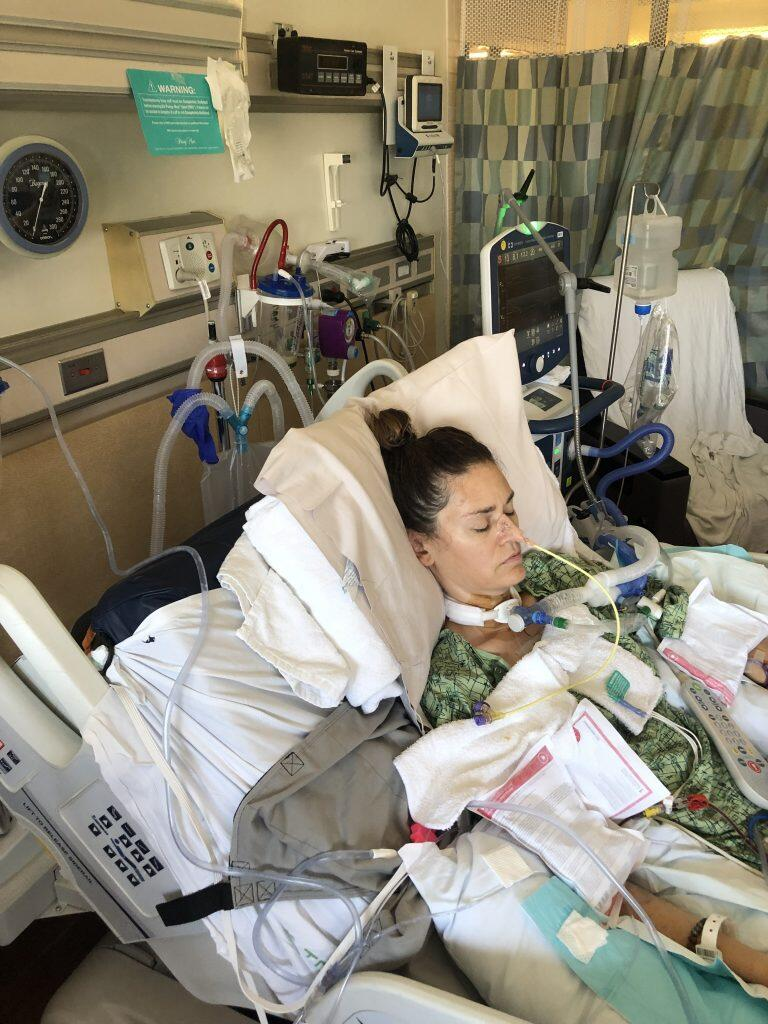
Vanessa was not breathing well on her own when she went to the initial hospital and was put on ventilator. Based on her symptoms the medical team was initially concerned about botulism. Once she was moved to UCSD an extensive workup was completed. Her case was a bit of a mystery. She did not have the classic symptoms of Guillain Barre Syndrome (GBS) and it was only until about a month after being discharged, when she had a follow up appointment that she was given the definitive diagnosis of a rare GBS known as the pharyngeal-cervical-brachial variant.
While Vanessa does not remember much from the beginning of her hospitalization, she formed a unique bond with one of the medical team members, who is able to help share her story. Dr. Jared Rosen, now a pulmonologist and intensivist, was in his final month of medical school when he met Vanessa. While most medical students opt for lighter electives or even use vacation time, Jared has opted to do an elective in the ICU prior to graduation.
As Vanessa had been labeled an “interesting case,” Jared’s team suggested that he be involved in her care. Because of the timing of her admission and his rotation, he was able to spend a couple weeks with her during her ICU stay. Jared remembers being charged with the responsibility of following up on all the send-out labs that were pending as part of the workup. Time is a valuable resource in the ICU. As a student, Jared was able to give time to Vanessa and often sat at the bedside providing updates and chatting with her. His presence and calm demeanor helped make the situation less frightening. “He was the person I could count on for my husband…I know what caregivers go through and I knew that with at least Jared there, he would be cared for.” Vanessa found Jared’s presence such a reassurance that she was anxious about the inevitable end of his rotation and kept a countdown of days in her bedside journal. Jared was not only an advocate for Vanessa, but also her husband.
From what she can remember from the ICU stay, Vanessa was filled with the fear of being in the hospital while her daughter was at home, not knowing if she would ever recover. Anxiety grew as she wondered if she wouldn’t be able to verbally communicate with her daughter and would be limited to communicating via eye gaze or writing. She was now using communication tools she was used to teaching her students. Things most people take for granted, such as having a dinner with family, were now not necessarily a guaranteed part of her future. “Was I going to be the tube fed mom?” There were points in time she questioned whether it was helpful or harmful to have the knowledge she did being a speech pathologist.
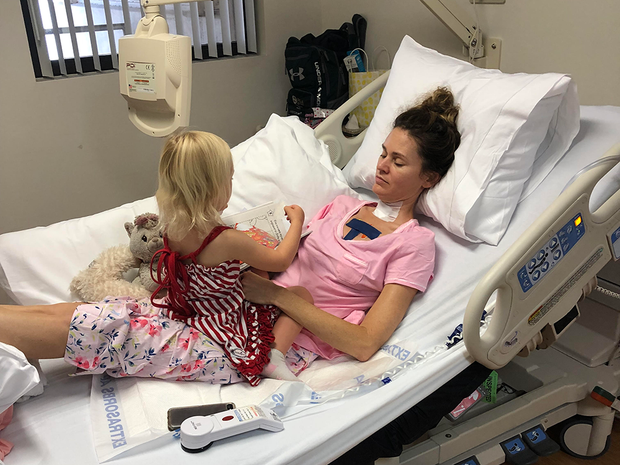 Even though there were diagnostic challenges, the team was able to narrow the diagnosis to an autoimmune, inflammatory process, and she was treated with therapies including steroids, intravenous immunoglobulin (IVIg), and plasmapheresis. The goal was to stop the process from worsening and prevent the nerves from further injury. In fact, she remained on IVIg for years after the hospitalization. Despite the fears and anxieties that loomed over Vanessa while in the ICU, she also describes the care and compassion she was given from the team and being “life changing.” Years have passed since being in the ICU and she is still in touch with several members of the care team. “Amongst this life-threatening time there was some beauty in this community.” The nursing staff tried to decorate her room to make it more kid friendly and thankfully her daughter was allowed to visit — both of which were tremendously appreciated.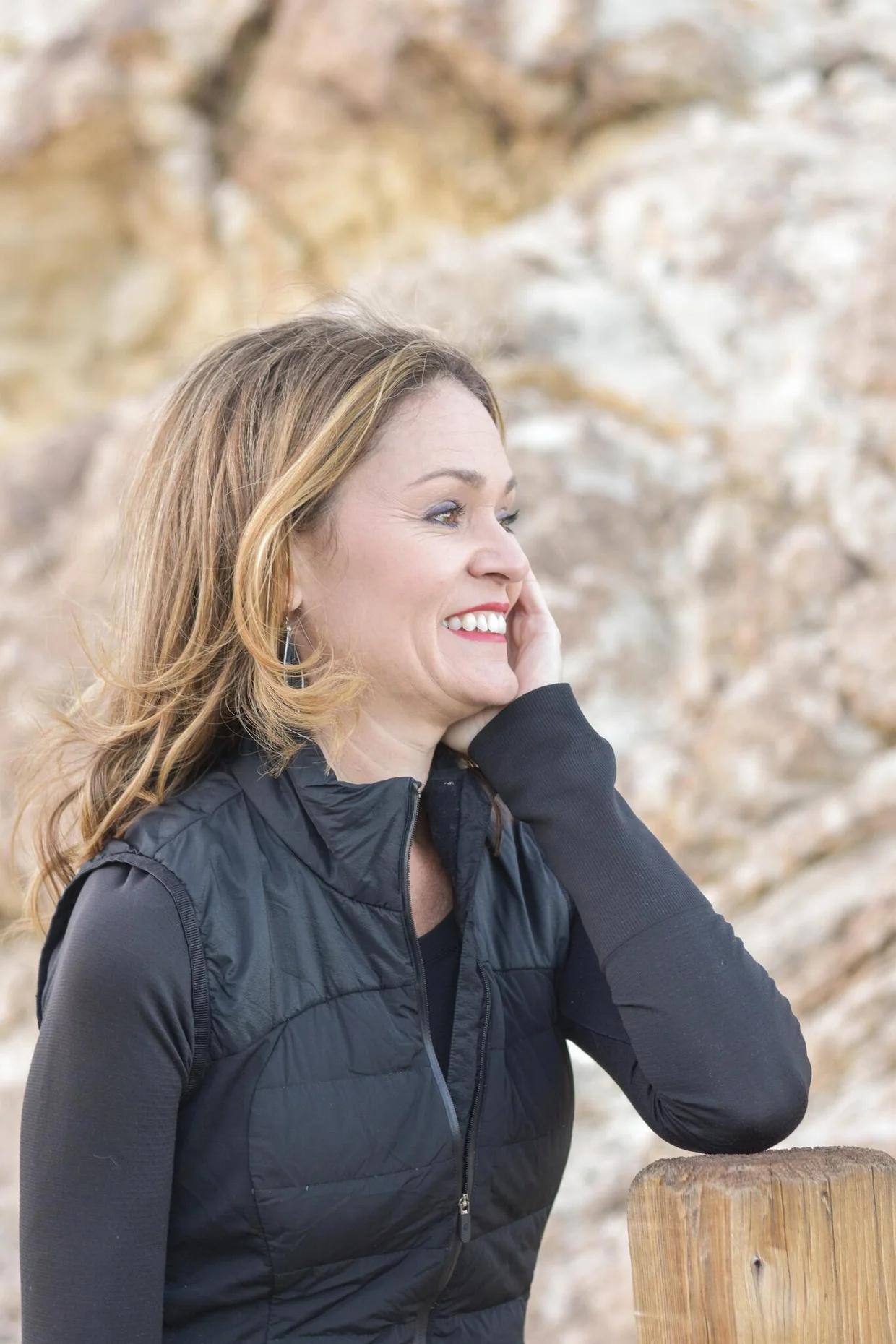
While there was some improvement in her weakness while in the hospital, she spent about a month in the ICU and needed a tracheostomy because she wasn’t strong enough to breathe on her own. Even once out of the ICU, she required significant medical care and support and was transferred to a long-term acute care (LTAC) facility before finally making it to rehab. The transition from the ICU to LTAC was tough, and she missed having the support she developed in the ICU. After moving to rehab, she encountered the surreal situation of being the patient receiving speech therapy, treated by a colleague she had worked alongside just two months earlier.
After about a month total at the LTAC and rehab, she was finally ready to return home. While she was back at home, she was not back to her normal life. Vanessa was using a suction device, shower chair, and was unable to drive. She was out of work for about a year and was only able to return to work when she did because she had the ability to work from home due to the COVID-19 pandemic. Years later, she is not totally back to herself. There is still some weakness and lung issues, but she is back to being an active working mom and has just taken up paddle boarding.
After living through this experience, Vanessa is now an advocate for Post Intensive Care Syndrome (PICS) and aims to raise awareness for other ICU survivors. For those interested in reading more about challenges and recovery, they can read her full story.