Neurocritical Care in Lebanon: Progress Within Constraint
Published on: June 17, 2026
Lebanon, a middle-income country in the Eastern Mediterranean region, presents a healthcare system shaped by both depth and fragility. With a population of approximately 5–6 million people, including a substantial refugee population, the system operates within a predominantly private, mixed public–private framework. Advanced care is largely concentrated in urban centers such as Beirut, where tertiary institutions continue to provide specialized services despite ongoing economic and infrastructural strain.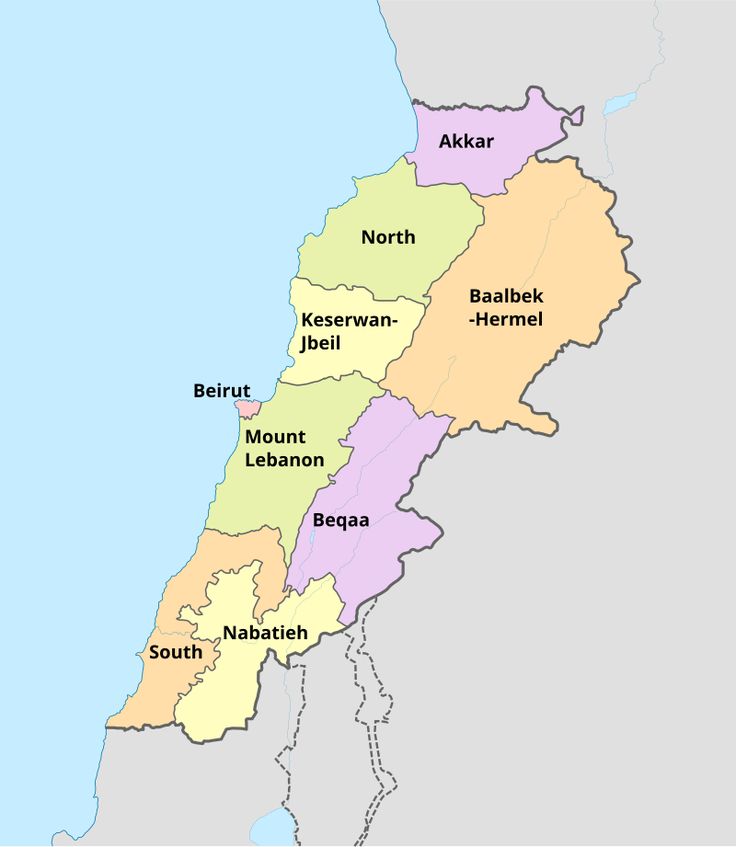
Within this context, neurocritical care has evolved not through the widespread establishment of dedicated units, but through adaptation. Critically ill neurological and neurosurgical patients are most often managed within mixed medical–surgical intensive care units, where flexibility and multidisciplinary collaboration are essential. This has resulted in a hybrid model of care—less defined by formal structure and more by the effectiveness with which expertise is integrated at the bedside.
The experience at American University of Beirut Medical Center (AUBMC) reflects this trajectory. As a leading tertiary referral center, AUBMC manages a high volume of complex neurological disease, including acute ischemic stroke, intracerebral hemorrhage, aneurysmal subarachnoid hemorrhage, traumatic brain injury, and status epilepticus. While some patients can be transitioned to lower levels of care following stabilization, a substantial proportion require intensive care unit (ICU) admission, where outcomes depend on timely intervention, continuous monitoring, and coordinated multidisciplinary management.
Care for neurologically injured patients outside AUBMC remains variable and is largely shaped by systemic and resource limitations. Although neurosurgeons are typically involved in initial management, continuity of specialized neurological care in the ICU is less consistent. Many units are led by pulmonary or anesthesiology teams rather than dedicated neurocritical care specialists or surgical ICU physicians, and the absence of structured neurosurgical residency coverage limits continuous neurological assessment and timely intervention. These challenges are compounded by restricted access to essential resources, including intracranial pressure monitoring and timely CT imaging. In parallel, gaps in multidisciplinary expertise persist, as ICU teams and nursing staff may not have dedicated training in neurotrauma care. These limitations have been further strained by Lebanon’s recent recurrent conflicts, which have increased the burden of war-related traumatic brain injuries and placed additional pressure on already resource-limited systems.
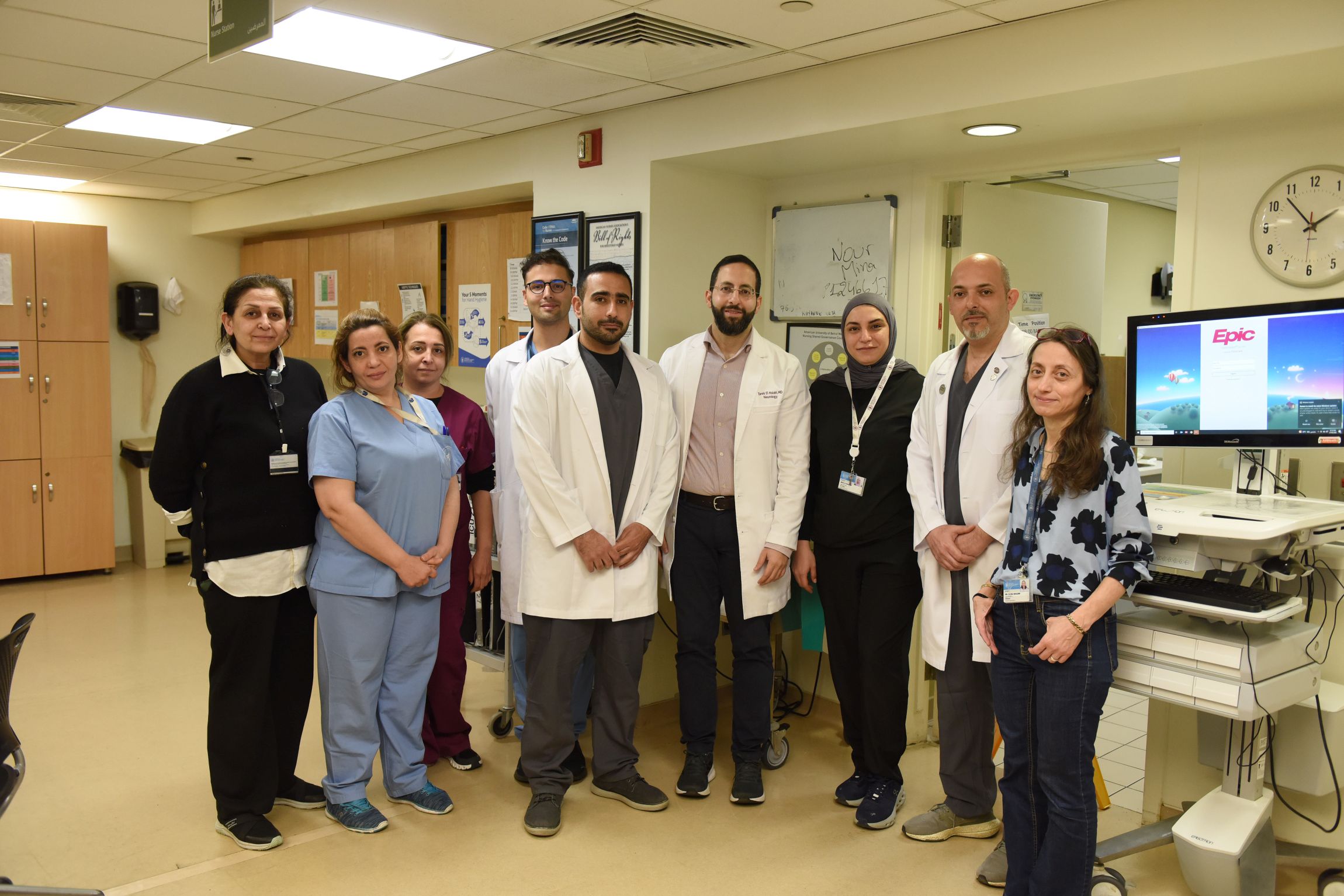 In recent years, progress at AUBMC has been driven not solely by infrastructure, but by the gradual integration of specialized expertise. A defining milestone occurred in 2024 with the introduction of a neurology-trained neurocritical care specialist—the first of its kind within the institution. With combined subspecialty training in epilepsy, stroke, and neurocritical care, this role marks a shift toward more cohesive management of critically ill neurological patients. Functioning in a consultative capacity, the specialist works alongside ICU teams, contributing to clinical decision-making and fostering alignment across disciplines. While this does not yet constitute a fully established 24/7 Neuro ICU model, it represents a meaningful transition toward more integrated care.
This development builds upon an established strength in epilepsy care. For over 15 years, AUBMC has maintained a dedicated epilepsy program supported by long term electroencephalographic (EEG) monitoring available 24 hours a day when clinically indicated. Within the ICU, continuous EEG is deployed on demand and serves as an essential tool for detecting non-convulsive seizures, guiding sedation strategies, and informing prognostication in patients with impaired consciousness.
Advances in stroke care have further strengthened this evolving framework. A structured stroke pathway has been implemented to improve both efficiency and consistency of care. AUBMC targets a door-to-needle time of 45 minutes for intravenous thrombolysis, reflecting alignment with international best-practice standards that emphasize treatment within 60 minutes, with increasing focus on achieving shorter times in high-performing systems. This benchmark underscores a systematic effort to streamline workflows and minimize delays, given the well-established relationship between earlier reperfusion and improved outcomes. Mechanical thrombectomy is routinely performed and supported by protocol-driven pathways aligned with AHA/ASA guidelines.
At the national level, stroke awareness has been historically suboptimal; however lately, coordinated initiatives improved recognition through media campaigns and structured care pathways. Despite this, prehospital systems remain fragmented. Ambulance services typically transport patients to the nearest capable facility, but standardized triage and bypass protocols are not consistently implemented. Consequently, a substantial proportion of patients continue to present via private transport, influenced by traffic constraints and the limited number of centers offering advanced stroke interventions.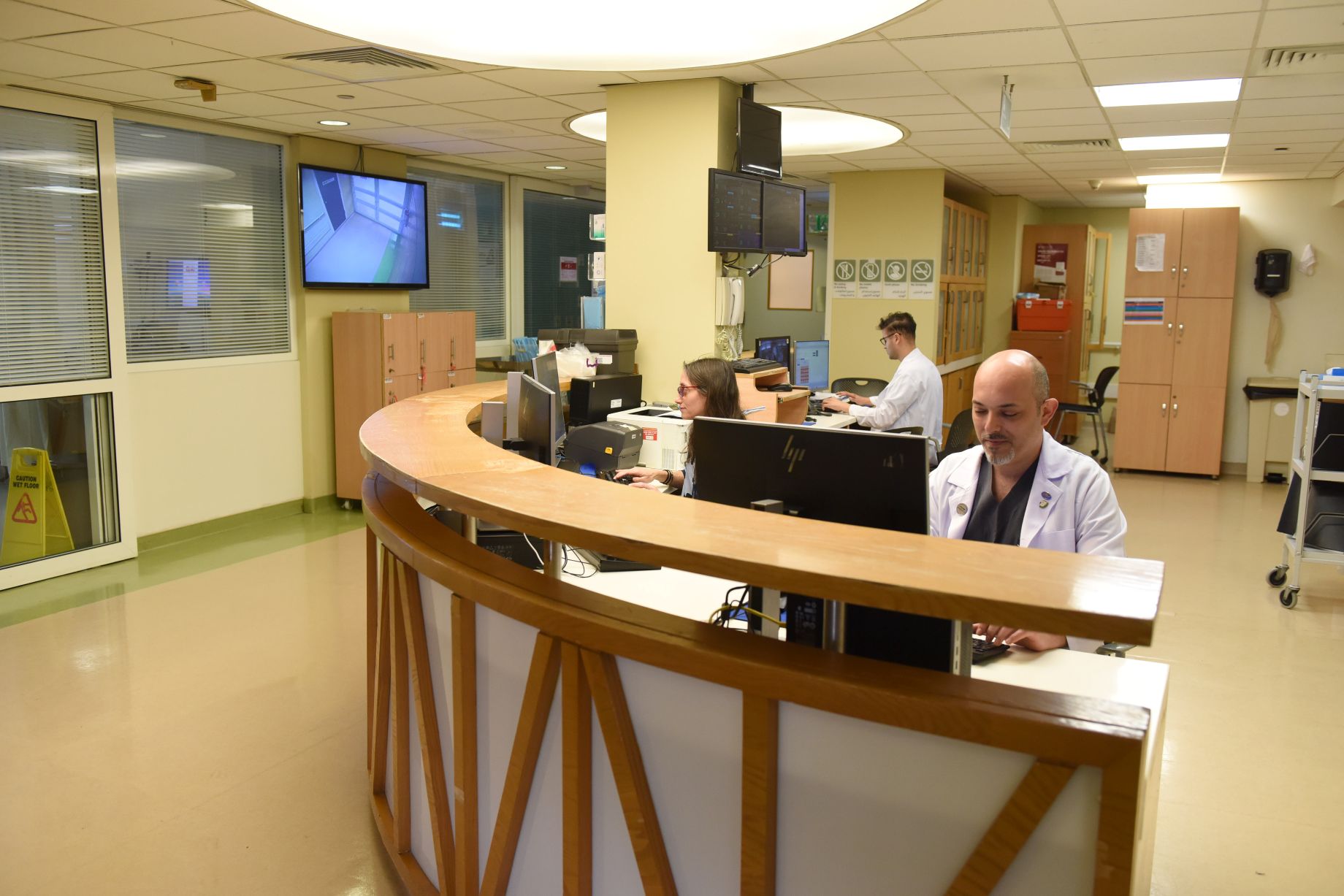
At present, neurocritical care delivery at AUBMC is best characterized as collaborative rather than centralized. Care is co-managed through continuous interaction among intensivists, neurologists, neurosurgeons, and the emerging neurocritical care service. This structure is further strengthened by the presence of a double board-certified critical care pharmacist who participates actively in multidisciplinary rounds, optimizing pharmacologic management, minimizing medication-related complications, and supporting complex decision-making. Nursing staff are central to this model, ensuring continuity of care, early detection of deterioration, and adherence to care pathways. Another key strength is the inclusion of a Neuroscience Clinical Nurse Specialist (CNS), certified in stroke care, who provides specialized expertise that bridges evidence-based practice, bedside care, and interdisciplinary coordination. At AUBMC, neuro-nursing education is competency-based and evidence-driven, integrating structured training and ongoing professional development aligned with American Association of Neuroscience Nurses and American Heart Association standards. Workforce stability is strong, with nursing turnover rates of 5.92% in the Neuro Critical Care Unit and 2.43% in the Neuro Medical-Surgical Unit, substantially below benchmarks from the National Database of Nursing Quality Indicators (14–18% annually in acute care settings), reflecting high staff retention and program robustness.
Despite these advancements, structural challenges persist. The absence of a dedicated 24/7 Neuro ICU limits the concentration of expertise and continuity of specialized oversight. Resource constraints—including inconsistent availability of intracranial pressure monitoring, limited neuromonitoring tools, and incomplete access to advanced imaging such as CT perfusion—continue to affect the delivery of standardized care. Logistical barriers, including the physical separation between ICU and imaging facilities by five floors, introduce additional delays in time-sensitive conditions.
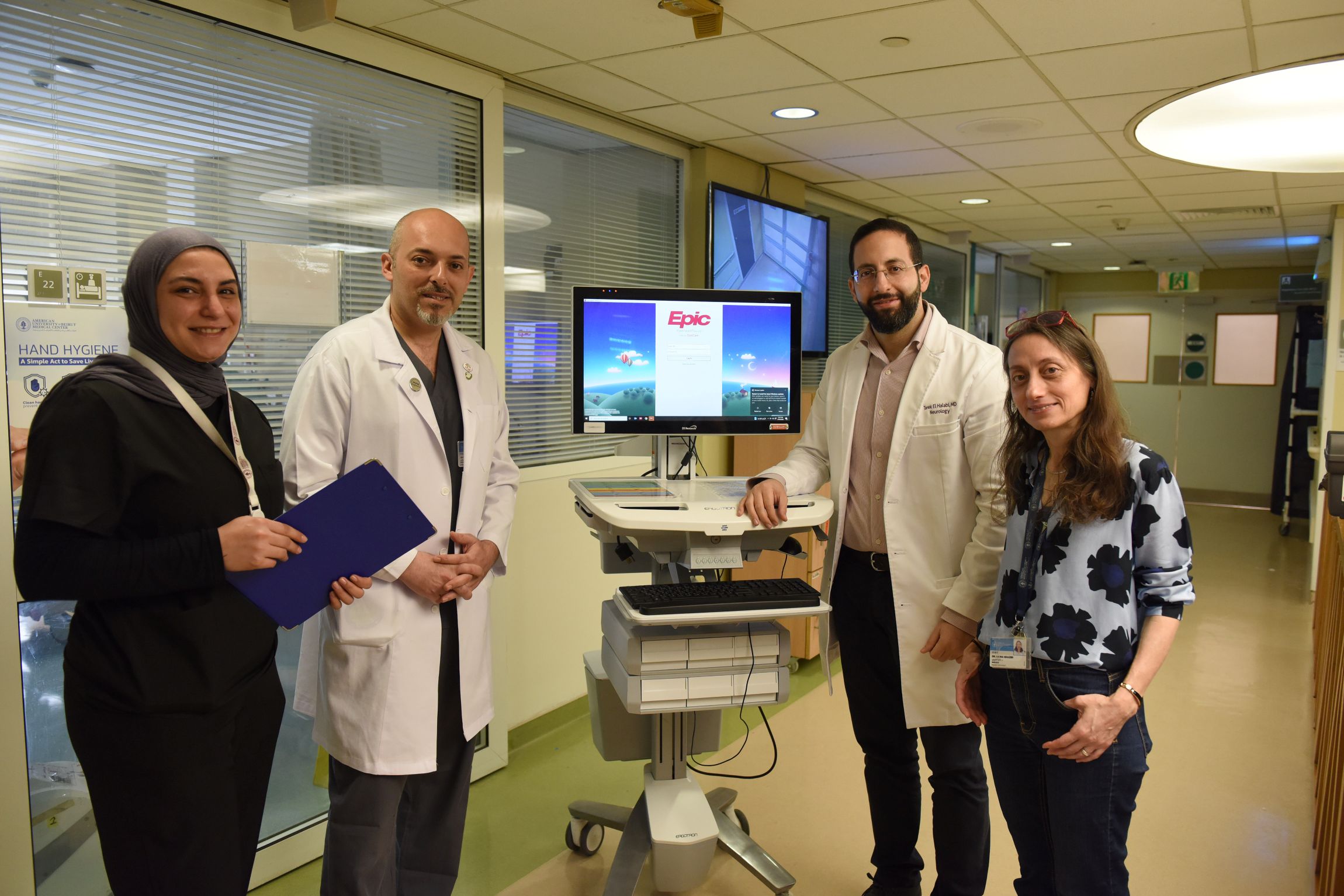 Yet, within these constraints, a pattern of steady progress is evident. Neurocritical care in Lebanon has evolved through coordination, adaptability, and the resilience of multidisciplinary teams. The experience at AUBMC illustrates that meaningful advancements can occur even in resource-limited settings when expertise is aligned, and processes are optimized.
Looking forward, the continued development of neurocritical care in Lebanon will depend on expanding dedicated services, strengthening subspecialty training, and enhancing access to advanced monitoring and imaging technologies. In this context, the Neurocritical Care Society can play a pivotal role. Support from NCS through inclusion in multicenter research initiatives would allow centers in Lebanon to contribute to and benefit from global data, ensuring that regional challenges and outcomes are better represented. In parallel, expanding access to neurocritical care–focused educational programs—including structured courses for physicians, residents, and nurses—would directly enhance local expertise and capacity building, exemplified by initiatives such as Emergency Neurological Life Support.
Furthermore, fostering institutional partnerships and mentorship networks could facilitate knowledge exchange. Equally important is support in improving access to essential technologies, including neuromonitoring tools and advanced neuroimaging modalities, through collaborative initiatives, training pathways, and advocacy. Such efforts would not only strengthen individual centers but also contribute to the gradual development of a more cohesive national neurocritical care framework.
In resource-limited settings, progress is not defined solely by infrastructure, but by connection—between institutions, disciplines, and global partners. Strengthening these connections will be essential to advancing neurocritical care in Lebanon and ensuring sustainable, high-quality care for neurologically injured patients.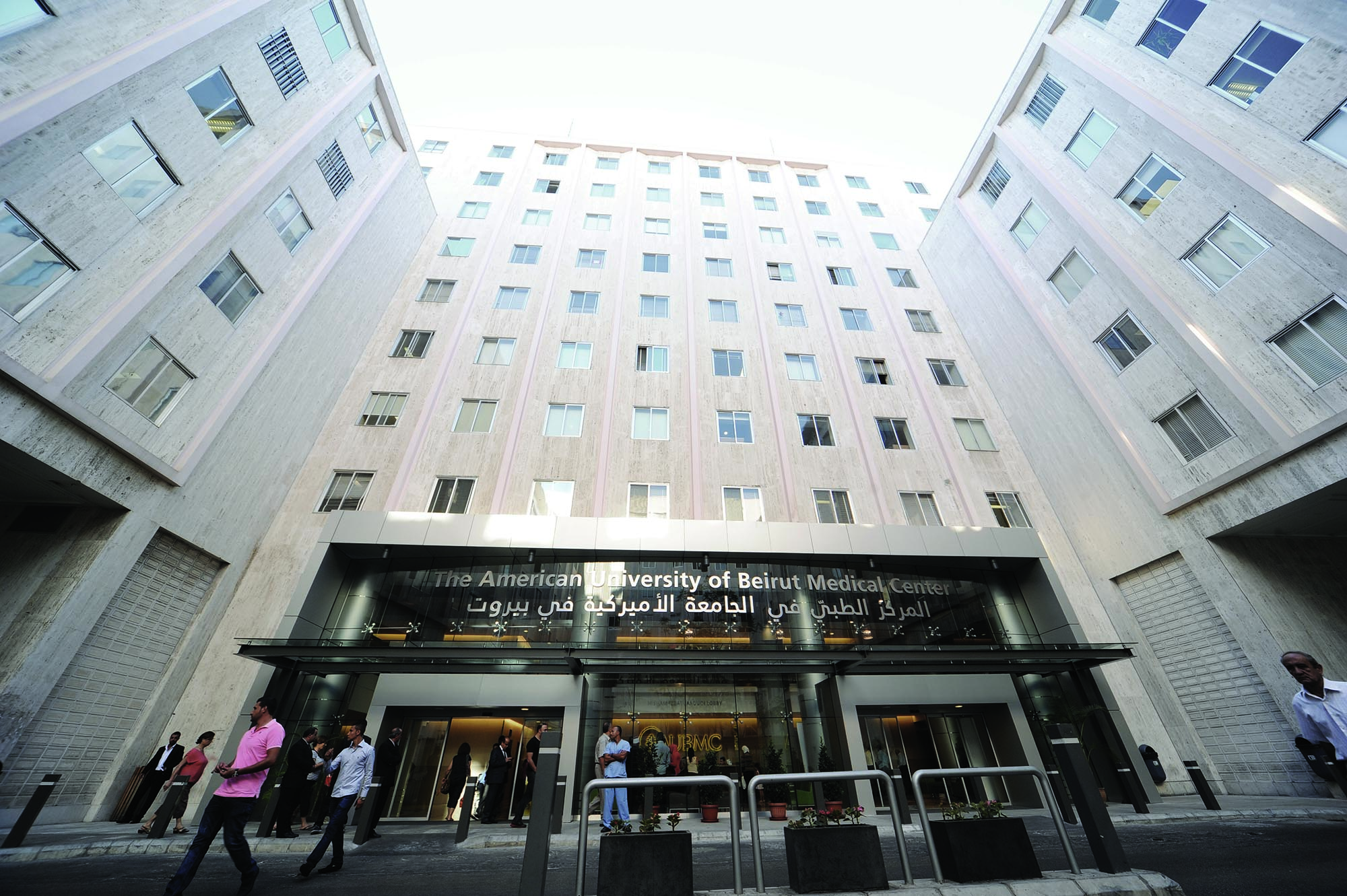
Over the next five years, our goal is to establish a continuously staffed (24/7) neurocritical care service supported by a dedicated acute neurology response team composed of neurointensivists, fellows, residents, specialized nurses, and clinical pharmacists. Central to this vision is the development of a prospective neurocritical care database that systematically captures clinical complexity and informs both research and evidence-based practice. This foundation will support the creation of a structured fellowship program aimed at training future leaders in the field. Through an integrated multidisciplinary framework, the unit will evolve into a model where clinical care, education, and research are closely aligned, ultimately enabling the launch of a first Neurocritical Care Conference endorsed by the Neurocritical Care Society.
Author Affiliations
Tarek El Halabi, MD
Department of Neurology, American University of Beirut Medical Center, Beirut, Lebanon.
Email: th44@aub.edu.lb
Houssein Darwish, MD
Department of Neurosurgery, American University of Beirut Medical Center, Beirut, Lebanon.
Dania Ghaziri, D. Pharm, BCPS, BCCCP
Department of Pharmacy, American University of Beirut Medical Center, Beirut, Lebanon.
Ali Krayany, MSN, RN
Nursing Department, American University of Beirut Medical Center, Beirut, Lebanon.