Building Neurocritical Care Capacity Through Education and Collaboration: The Oman Experience
Published on: April 16, 2026
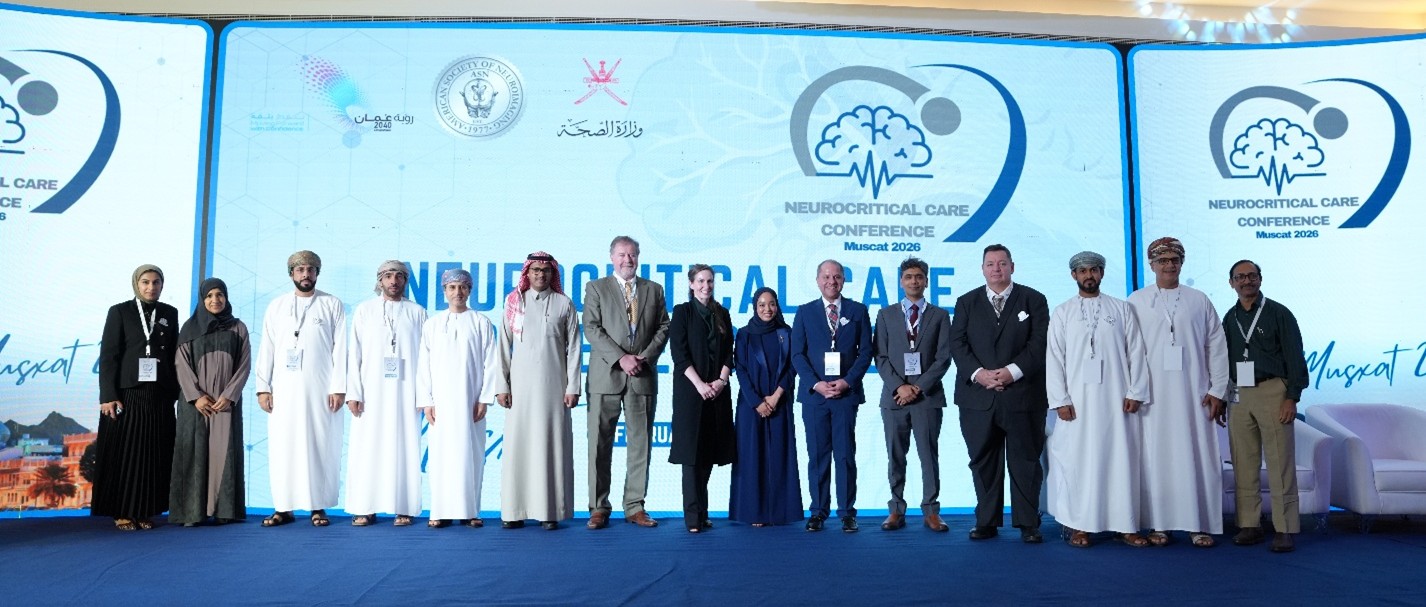
February 2026 marked an important step forward for the advancement of neurocritical care in Oman with the first Neurocritical Care Conference held in the Sultanate, bringing together clinicians, educators, and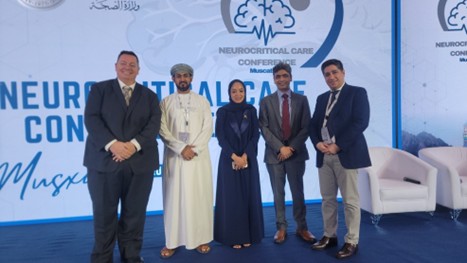 international experts to advance neuromonitoring and critical care education. The event was endorsed by the Neurocritical Care Society (NCS), reflecting its alignment with international standards and its growing global relevance.
The conference served as a platform to discuss the current state and future directions of neurocritical care in the MENA region. Experts from different institutions shared perspectives on regional challenges, opportunities for collaboration, and strategies to strengthen neurocritical care systems and training programs across the region.
A series of lectures and panel discussions addressed key topics in modern neurocritical care, including management of severe brain injury, advances in neuromonitoring, brain death determination, organ donation pathways, and multidisciplinary approaches to the care of critically-ill neurological patients. These efforts build on earlier educational initiatives in Oman, including the introduction of Emergency Neurological Life Support (ENLS) courses in 2024, which have contributed to strengthening the foundational knowledge and structured approach to acute neurological emergencies across the country.
As part of this landmark event, a dedicated Transcranial Doppler (TCD) educational program, endorsed by the American Society of Neuroimaging and led by its leaders was launched. The initiative forms part of a broader national plan to train and certify physicians in neuro-ultrasound, with the goal of expanding the use of TCD in a variety of clinical settings including subarachnoid hemorrhage, traumatic brain injury, stroke, and the evaluation of cerebral circulatory arrest.
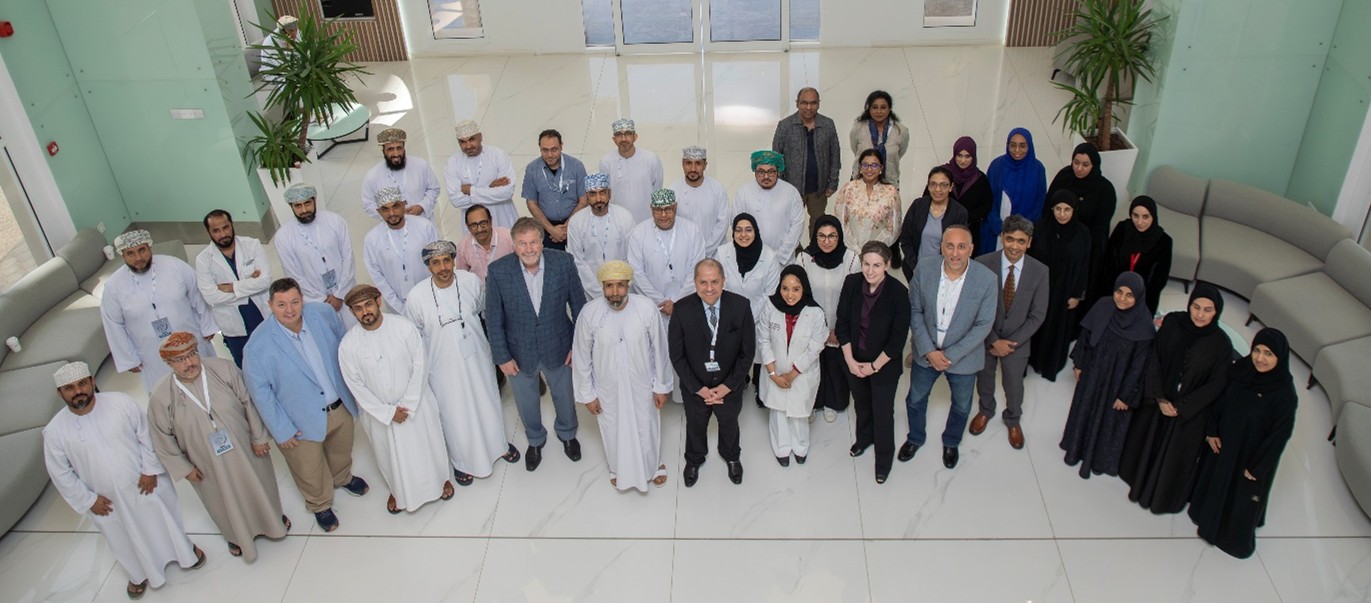
The program brought together critical care physicians from all major regions of Oman, reflecting a strong national engagement in advancing bedside neuromonitoring. A total of 37 physicians attended the course, all of whom have committed to continuing into second phase of the program to complete their certification. The hands-on workshop held in Muscat allowed participants to practice vessel identification, probe positioning, and interpretation of Doppler waveforms under the guidance of experienced faculty.
Looking ahead, the next phase will focus on translating these early achievements into sustainable systems of care. Key priorities include the development of formal neurocritical care training pathways, expansion of certification programs in neuro-ultrasound to ensure safe and standardized use of Transcranial Doppler, and the establishment of multidisciplinary neurocritical care teams across major centers in Oman with the aim of strengthening national protocols for brain death determination and donor management. Such protocols will serve as the foundation for Oman’s evolving organ donation and transplant program.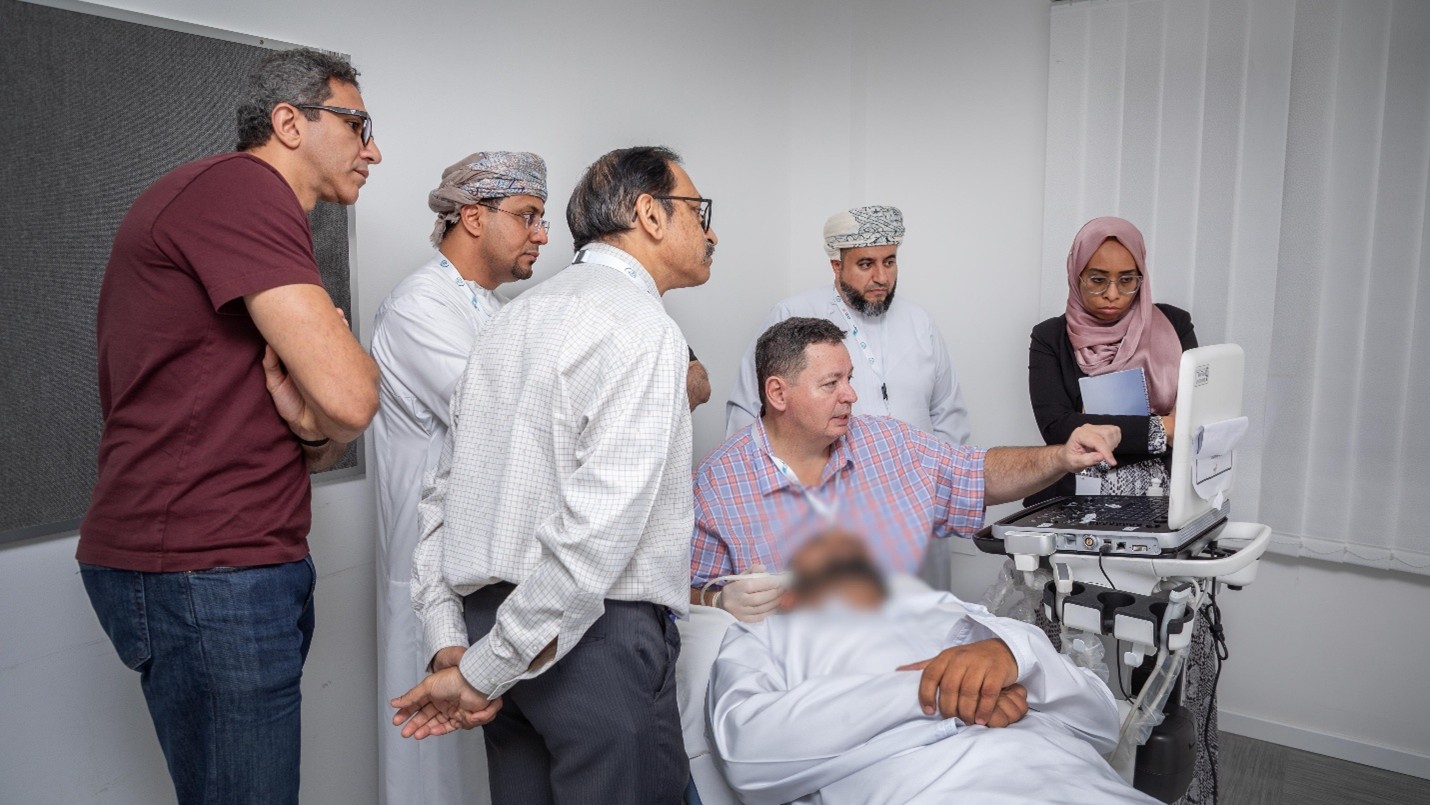
Together, these efforts represent a vision aimed at building a high quality neurocritical care network in Oman, aligned with international standards while tailored to local needs.
In addition to in person training, continuous educational activities are ongoing in collaboration with instructors from the American Society of Neuroimaging. These include regular online sessions focused on case-based discussions of transcranial Doppler findings, aimed at reinforcing image interpretation skills, promoting clinical application, and supporting the continued development of competency in neuro-ultrasound.
Author Affiliations
- Samya Al Mazroei, MD
Consultant, Neurocritical Care & Emergency Medicine
Khoula Hospital of Oman
- Yasser B. Abulhasan, MBChB, FRCPC, FNCS
Chair, Neurocritical Care-MENA Chapter of IPACCMS
- Ryan Hakimi, DO, MS, NVS, RPNI, CPB, FNCS, FCCM, FAAN, FASN
President, American Society of Neuroimaging
Member, Neurocritical Care Society Board of Directors